 SAME DAY & EXPEDITED SHIPPING AVAILABLE






Keypad/Prox Locks
Commercial keypad and proximity door locks replace keys with codes or cards on doors used by many people. Browse mechanical pushbutton locks that need no power, battery-powered electronic locks such as the Alarm Lock Trilogy DL2700CR, dormakaba E-Plex pushbutton locks, and keypad readers that release electric strikes and maglocks on controlled doors.
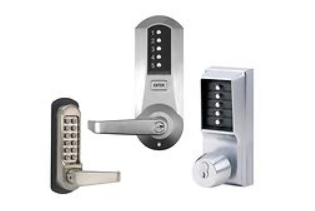
What is a commercial keypad door lock?
A commercial keypad door lock is a keyless lock that opens with a numeric code instead of a key, built for doors that many people use and where keys get lost, copied or never returned. It replaces the cylinder on the outside of the door while the inside lever still allows free exit, so the code only controls entry. Searches for "pin pad door lock", "number pad door lock" and "door keypad" all point to this product family.
Unlike a residential smart lock, a commercial keypad lock is sold by door prep and function, takes a commercial cylinder or core for key override, and often records who opened the door.
Types of keypad and proximity locks
There are four practical types, and the right one depends on whether you need power, an audit trail and a card or code.
- Mechanical pushbutton locks: a coded mechanical keypad with no batteries and no wiring. The mechanical pushbutton locks page covers the Kaba Simplex range.
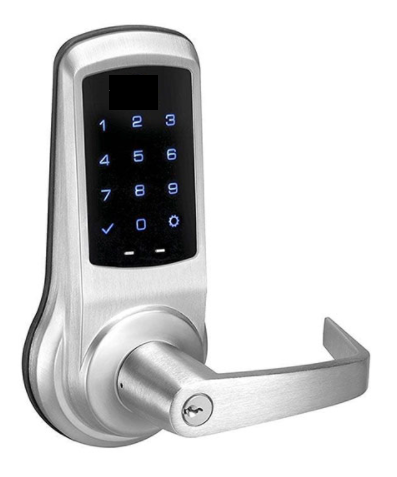
- Electronic keypad locks: battery-powered keypad locks with many user codes, such as the dormakaba E-Plex and Alarm Lock Trilogy families in our catalog.
- Proximity and card locks: the same lock bodies with a prox card reader, for example the Alarm Lock Trilogy PDL series and the dormakaba E-Plex prox models.
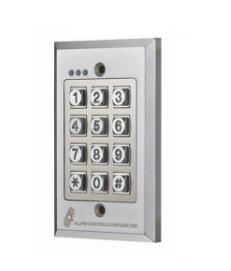
- Keypad readers with electrified hardware: a wall or mullion keypad feeds a controller that releases an electric strike or magnetic lock. Examples are the Centrios keypad reader bundles with HES strikes, and weather-resistant keypads from Nortek Control.
Standalone vs networked keypad locks
A standalone keypad lock stores its codes in the lock and is programmed at the door, while a networked lock is managed centrally from software. Standalone suits a handful of doors, such as storerooms, offices and tenant spaces. Networked suits portfolios where codes must change often or when an audit trail across many doors is required.
In our catalog, Alarm Lock Trilogy models such as the DL2700CR mortise lock are listed as electronic digital locks, and the DL3200 lists a high-capacity audit trail. The DL6100IC Trilogy Networx is the networked version in a cylindrical body. Read keypad vs proximity entry if you are choosing between code and card credentials.
Keypad lock types compared
| Type | Examples in catalog | Power | Credential | Typical use |
|---|---|---|---|---|
| Mechanical pushbutton | Kaba Simplex 1000 and 5000 series, mortise combination locks | None | One shared code | Service doors, storerooms, utility rooms |
| Electronic keypad lock | dormakaba E-Plex, Alarm Lock Trilogy, BEST Keypad EZ | Battery or hardwired, per model | Many user codes | Offices, schools, tenant doors |
| Prox lock | Alarm Lock Trilogy PDL, dormakaba E-Plex prox | Battery or hardwired, per model | Prox card or fob | Doors with staff turnover |
| Keypad reader | Centrios bundles, Nortek Control, Locknetics DKP-165, SDC | Low-voltage power supply | Code to controller | Doors with electric strike or maglock |
Choosing a keypad lock by door type
Match the lock body to the existing prep first, because the door decides which keypad locks fit. Cylindrical bodies fit standard 2-1/8 inch bore doors, mortise bodies replace an existing mortise lock, and exit trims convert a panic device into a coded entry door.
For aluminum storefront doors, narrow stile retrofit trims such as the Alarm Lock DL1200ET and the dormakaba E-Plex narrow stile trims fit stile widths that a cylindrical lock cannot. For exit hardware, look at the dormakaba E-Plex pushbutton exit trims. The BEST Keypad EZ line covers both cylindrical and mortise bodies.
Egress, ADA and fire doors
A keypad lock controls entry only; the inside lever or exit trim must always release the door without a code. For accessibility, ADA 2010 Standards 404.2.7 call for hardware operable with one hand without tight grasping, so choose lever trims where the public uses the door.
On fire-rated openings the lock must be listed for the door, and NFPA 80 governs installation and inspection. Our ADA compliance guide and smart commercial door locks guide go deeper on both.
Most requested keypad and prox locks
The keypad and prox locks our customers look up most often right now:
- Best 45HZ7DV14KP626 keypad EZ Mortise Lock, Satin Chrome
- Securitron DK-12 Digital Keypad System with Illuminated Keys, Single Gang
- Alarm Lock ETDLS1G/26D Trilogy Keypad Exit Trim w/ Audit Trail, Satin Chrome Finish
Related categories: electric strikes, maglocks and exit devices.
What to have ready when ordering a keypad lock
- Door type and prep: cylindrical bore, mortise, narrow stile or exit device.
- Handing (LH, LHR, RH, RHR), door thickness and backset.
- Credential: code only, card or fob, or both.
- Key override: core type (SFIC, LFIC, Schlage C keyway) for master key compatibility.
- Power: battery, hardwired or low-voltage with a power supply.
- Finish code, such as 626 or US26D satin chrome.
- Audit trail and the number of users needed.
Doors by the dozen? Request a quote. Schools and agencies can submit a government PO. Orders placed before 3:00 p.m. ET on business days ship the same day after card approval. Call 718-814-6300.
The tables and selection notes on this page are compiled by National Lock Supply from manufacturer catalogs, templates and product listings. Last reviewed: October 2026.
Frequently Asked Questions
What is the best commercial keypad door lock?
The right choice depends on the door and the number of users. Mechanical pushbutton locks suit service doors with no power. Electronic locks like dormakaba E-Plex or Alarm Lock Trilogy suit offices that need many codes and an audit trail. Pair readers with strikes or maglocks when access control is already installed.
How does a commercial keypad lock work?
A commercial keypad lock checks the code against stored user codes or a mechanical combination and then lets the outside lever retract the latch. The inside lever always opens the door for exit. Models with a key override cylinder allow a locksmith or master key to open the lock without the code.
What is the difference between a keypad lock and a proximity lock?
A keypad lock opens with a numeric code, and a proximity lock opens with a card or fob held near the reader. Codes are easy to share, while cards can be deactivated one at a time. Several electronic locks, like the Alarm Lock Trilogy PDL series, offer prox or code on one lock.
Do keypad door locks need batteries or wiring?
It depends on the type. Mechanical pushbutton locks need neither. Electronic standalone locks are usually battery powered, and some are hardwired or networked. Keypad readers that release an electric strike or magnetic lock need a low-voltage power supply. Check the power listing in the product title and the spec sheet.
Are keypad locks secure enough for commercial doors?
Yes when the lock is specified for the door and code control is managed. Change codes when staff leave, use a key override core that fits your master key system, and add an audit trail where you need to know who entered. Pick the commercial body for traffic, not a residential smart lock.
Can a keypad lock fit an exit device or storefront door?
Yes. The catalog includes pushbutton and electronic exit trims for panic devices and narrow stile trims for aluminum storefront doors. Verify stile width, backset and handing before you order. For glass or aluminum frames, confirm the thumbturn or lever trim and the cylinder type the exit device accepts.
Do commercial keypad locks have an audit trail?
Some do. Alarm Lock Trilogy models with audit trail record user activity, and networked versions manage it centrally. Mechanical pushbutton locks do not record access. If you need to know who opened a door and when, choose an electronic or networked lock and confirm the audit capacity in the product title.
Can a keypad lock accept my existing key cylinder or core?
Many keypad locks include a key override that accepts SFIC or LFIC cores or a Schlage C keyway cylinder. Match the core format and keyway to the building before ordering, so the override works with your master key system and you do not need to rekey the rest of the facility.
How do I order keypad locks for a building or school?
Send the door list with the door type, handing, finish and credential type through the quote form for quantity pricing. Government and school purchasers can use the government PO page. Orders placed before 3:00 p.m. ET on business days ship the same day after card approval.