 SAME DAY & EXPEDITED SHIPPING AVAILABLE






Magnetic Locks
Magnetic locks (maglocks) hold a door shut with an electromagnet and release when power is cut, which suits access control on offices, labs, storefronts and gates. Shop electromagnetic locks, wall-mounted maglocks, RCI maglocks and brackets, filler plates and accessories, plus shear locks, sliding door models and weather-resistant gate locks.
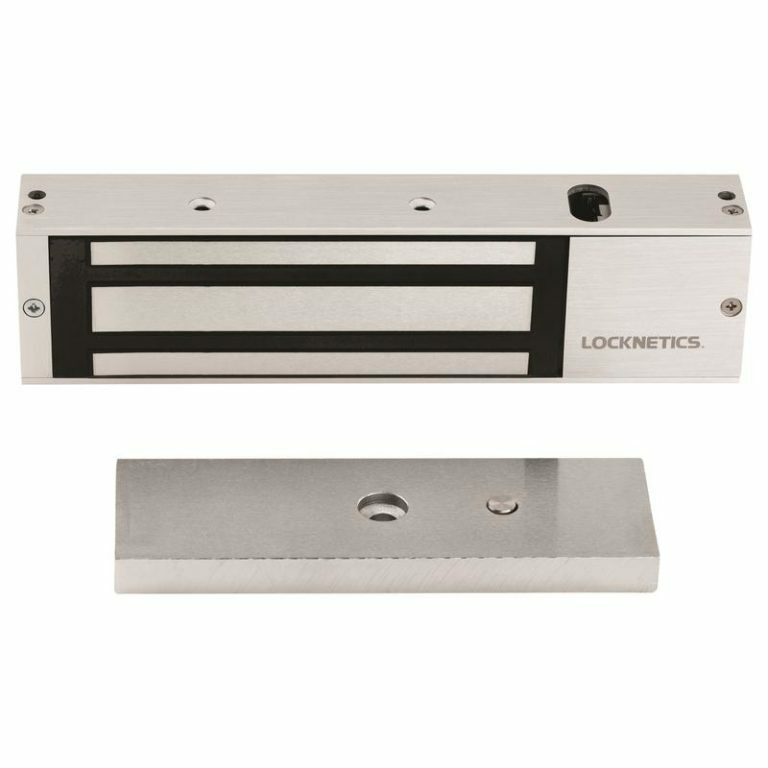

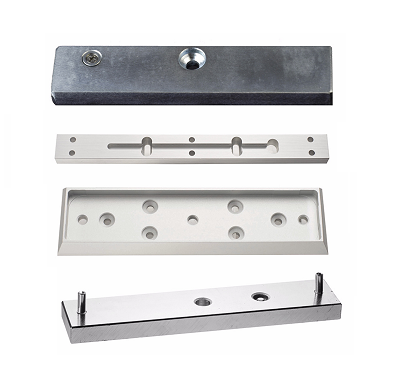
What are magnetic locks and how do they work?
A magnetic lock is an electromagnet on the door frame that pulls against a steel armature plate on the door, holding it shut with no moving parts. Current energizes the magnet and the door stays locked. Cut the current and the magnet releases, so a standard magnetic lock is fail safe. That is why maglocks are paired with readers, keypads, request-to-exit devices and fire alarm panels on offices, labs, server rooms and storefronts.
Because the lock has no latch, the strength of the door and the mounting hardware decides how well it performs, so the parts below matter as much as the lock. Pair every maglock with a power supply, a release device and a fire alarm release, so that the opening always lets people out.
Types of magnetic locks
Magnetic locks come in five types. Choose by where the lock mounts and how the door moves.
| Type | Examples in catalog | Best for |
|---|---|---|
| Surface maglock | Alarm Controls 600 and 1200, BEA 10MAGLOCK, RCI 8310, Locknetics MG1200 | Single and double swing doors with a header mount |
| Shear lock | ROFU 8031 and 8035, SDC 1561, Schlage GF3000 | Doors needing a concealed lock and higher rated force |
| Gate and outdoor maglock | Alarm Controls 600WP, BEA 10GL1200, DynaLock 2013, RCI GateMag 8380, SDC 1576U | Swinging or sliding gates and weather exposure |
| Sliding door maglock | RCI 8360, ROFU 8406M and 8612, SDC 1591U, Schlage 320M | Sliding and slim frames |
| Accessories | L and Z brackets, filler plates, spacers, glass door brackets | Fitting a lock to a specific door and frame |
The electromagnetic locks page compares surface models by holding force, monitoring and delayed egress. Magnetic door holders from LCN, Sargent and Rixson are in this category too, but they hold a door open and release on a fire alarm instead of locking it.
Maglock vs electric strike
A maglock suits doors where free egress and a clean release matter and you can mount a magnet and armature on the surface; an electric strike suits doors that already have a latch and need to stay latched when power fails. The main difference is fail-safe maglocks vs fail-secure or fail-safe strikes. See electric strike vs maglock for the full comparison.
Code and egress requirements for magnetic locks
Maglocks used on exit doors must release without special knowledge so people can leave at any time. Building codes, including NFPA 101 and the International Building Code, set the conditions for electromagnetically locked egress doors: typically release by a sensor or a push button, release when the fire alarm activates, and release when power is lost.
Electromagnetic locks are tested under ANSI/BHMA A156.23, and ADA 2010 Standards 404.2.7 require operable hardware, so the release device must work without tight grasping. Check with your authority having jurisdiction before wiring the door, and read what magnetic locking is and how it works for the basics.
Brackets, filler plates and accessories
A maglock only works when the magnet and armature meet flat, and brackets, filler plates and spacers are what make that happen. Choose parts by the lock series: the catalog lists L and Z brackets for Alarm Controls, BEA, Camden, Locknetics and RCI; filler plates and spacers from DynaLock, RCI, ROFU, SDC and Schlage Electronics; and glass door brackets for RCI and DynaLock.
Browse maglock parts and accessories, wall-mounted maglocks and RCI maglocks for the full lists. Match the part number prefix to the lock before you order.
Gate, outdoor and sliding door maglocks
Outdoor and gate maglocks are weather-resistant models with brackets built for gate posts. Examples include the Alarm Controls 600WP weather-resistant gate lock, BEA 10GL1200 front and side mount gate locks, DynaLock 2013 gate lock and SDC 1576U weatherized face-drilled lock. For sliding doors, the slim mortise and slide-mount maglocks from RCI, ROFU and SDC fit narrow frames.
Related categories: electronic door hardware and electric strikes.
What to have ready when ordering magnetic locks
- Type: surface, shear, gate or sliding, and single or double door.
- Holding force: 300, 600, 750, 1,200 or 1,500 lb.
- Door swing (outswing or inswing) and door width for doubles.
- Frame: aluminum, hollow metal, wood or glass.
- Brackets, filler plates and spacers for the lock series.
- Voltage (12 or 24 VDC) and the power supply.
- Sensors, fire alarm release and release devices.
Need a full opening? Request a quote. Schools and agencies can submit a government PO. Orders placed before 3:00 p.m. ET on business days ship the same day after card approval. Call 718-814-6300.
The tables and selection notes on this page are compiled by National Lock Supply from manufacturer catalogs, templates and product listings. Last reviewed: October 2026.
Frequently Asked Questions
What is the difference between a 600 lb and a 1200 lb magnetic lock?
The number is the holding force, the static pull needed to separate the armature from the magnet. A 600 lb lock suits most interior doors, while 1200 lb suits exterior and heavier doors. Use the higher rating when the door sees abuse, and confirm the bracket and frame can carry it.
Are magnetic locks fail safe or fail secure?
Standard magnetic locks are fail safe, so they unlock when power is lost. This gives free egress but leaves the door unlocked during an outage unless backup power is installed. If the door must stay locked without power, consider a fail secure electric strike or another electrified device.
How do I choose the right mounting bracket for my magnetic lock?
Match the bracket to the lock series and the door swing. L brackets mount on outswing headers, Z brackets suit inswing doors, and glass door brackets fit glass leaves. Filler plates and spacers close gaps. Brackets are listed by series, such as Alarm Controls, BEA, RCI or Locknetics, so match the part number.
Do magnetic locks require a separate power supply?
Yes, they need a power supply rated for the lock current, usually 12 or 24 VDC. The lock will not work on a standard outlet. Add a battery backup if the door must stay secure during outages, and wire the fire alarm release into the circuit before wiring the lock.
Can I install a magnetic lock on a fire-rated door?
Sometimes. Maglocks usually mount with drilling or brackets, and a fire door label limits what you can modify. Fire alarm release is required, and your authority having jurisdiction decides what is allowed. Check the label and local rules, and ask us if you need an electrified lock that is listed for the door.
What is the purpose of an LED indicator on Alarm Controls maglocks?
The LED shows the lock state at a glance. The catalog lists Alarm Controls models with a red LED status indicator, and LB versions that add an indicating LED, bond sensor and door status sensor. These help troubleshooting and let a control panel know if the door is closed and secure.
Can magnetic locks be used outdoors or on gates?
Yes, with weather-resistant models. The catalog includes gate locks such as the Alarm Controls 600WP, BEA 10GL1200 and DynaLock 2013, plus RCI GateMag 8380. Match the lock to the gate type, swing or sliding, and use brackets rated for outdoor use. Check the post and gate frame.
What is a shear lock?
A shear lock is a concealed magnetic lock where the magnet and armature slide into each other, so the force acts across the joint instead of pulling directly apart. Catalog examples include the ROFU 8031, SDC 1561 and Schlage GF3000, with higher rated forces than surface models. Mount them according to the instructions.