 SAME DAY & EXPEDITED SHIPPING AVAILABLE





Mechanical Pushbutton Locks
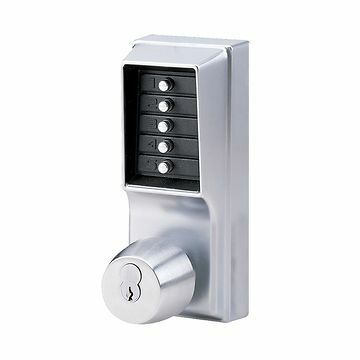
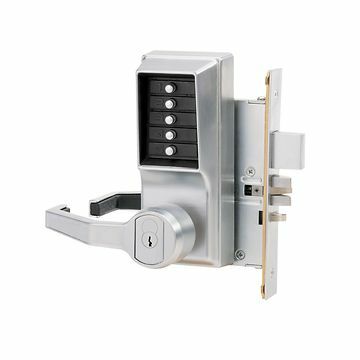
A cipher lock opens with a code, and a mechanical pushbutton lock does it with no batteries, cards or wiring. Kaba Simplex pushbutton locks, such as the 1011 knob lock, 5031 lever lock and 5010 exit trim, suit service doors, storerooms and shared-access rooms. For multiple user codes or audit trails, see electronic keypad and prox locks.


What is a cipher lock?
A cipher lock is a keyless lock that opens when the right code is entered on a keypad, and a mechanical pushbutton lock is the version that does it with no battery, wiring or electronics. People also search for "cypher lock" and "sypher lock", and all of them describe the same idea. Our selection is built around Kaba Simplex pushbutton locks, with a Cal-Royal storeroom pushbutton lever lock also in the catalog.
Electronic keypad locks also get called cipher locks, so be clear about what you need. If you want many user codes, audit trails or card readers, see the commercial keypad and prox locks hub. If you want a shared code on a door that never needs power, a mechanical pushbutton lock is the simpler product.
How mechanical pushbutton locks work
A mechanical pushbutton lock stores its combination in the lock body and retracts the latch when the correct buttons are pressed and the knob or lever is turned. Nothing needs charging, nothing needs a cable, and a dead battery cannot lock anyone out. The inside knob or lever still opens the door for exit.
That makes them a fit for service doors, equipment rooms, storerooms, gyms, utility rooms and any door where one group shares the same code. The limits are plain: one shared code per lock, and no log of who entered. Change the code when someone leaves the group.
Kaba Simplex series compared
The table below uses the series that appear in our catalog, so you can match the lock to the door and the trim style.
| Series | Trim | Door or prep | Notes from catalog |
|---|---|---|---|
| 1000 (for example 1011, 1021, 1041) | Knob | Cylindrical, 2-3/8 or 2-3/4 backset versions | Entry only, key override and passage options |
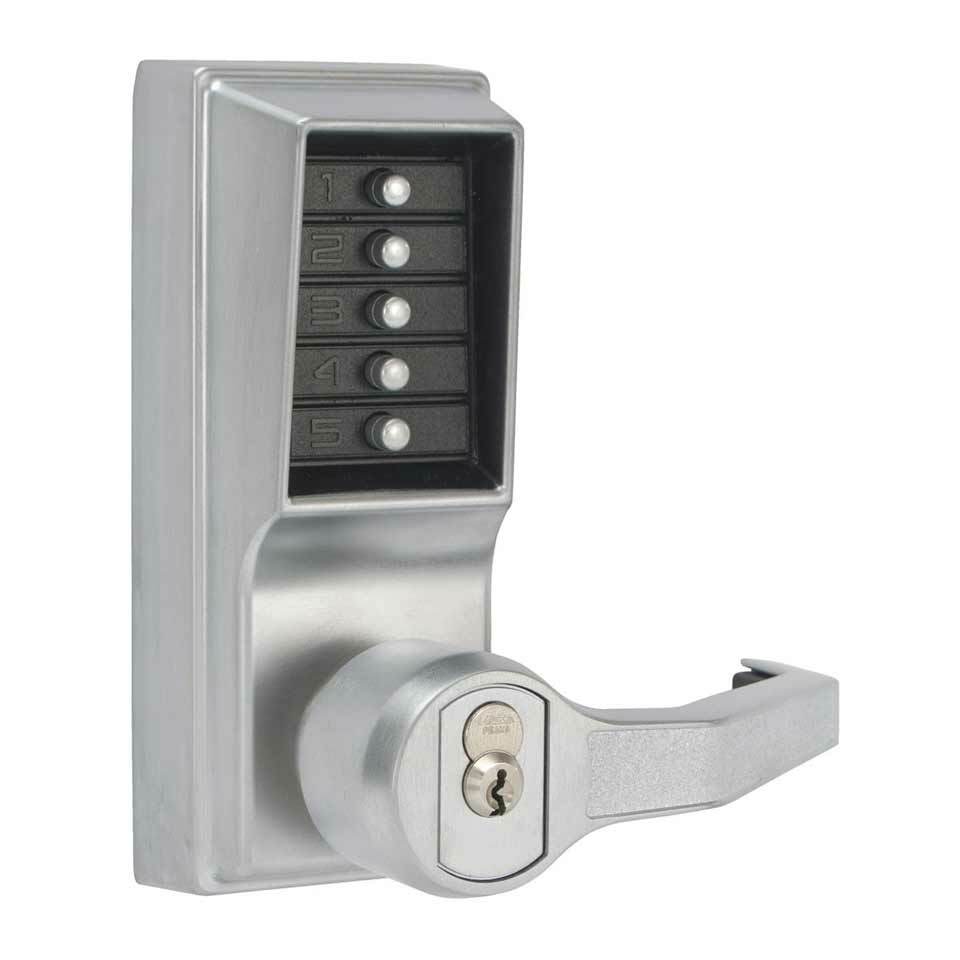
| L1000 (LL/LR 1011 to 1041) | Lever | Left-hand (LH/LHR) or right-hand (RH/RHR) doors | Handed versions, key override on some models |
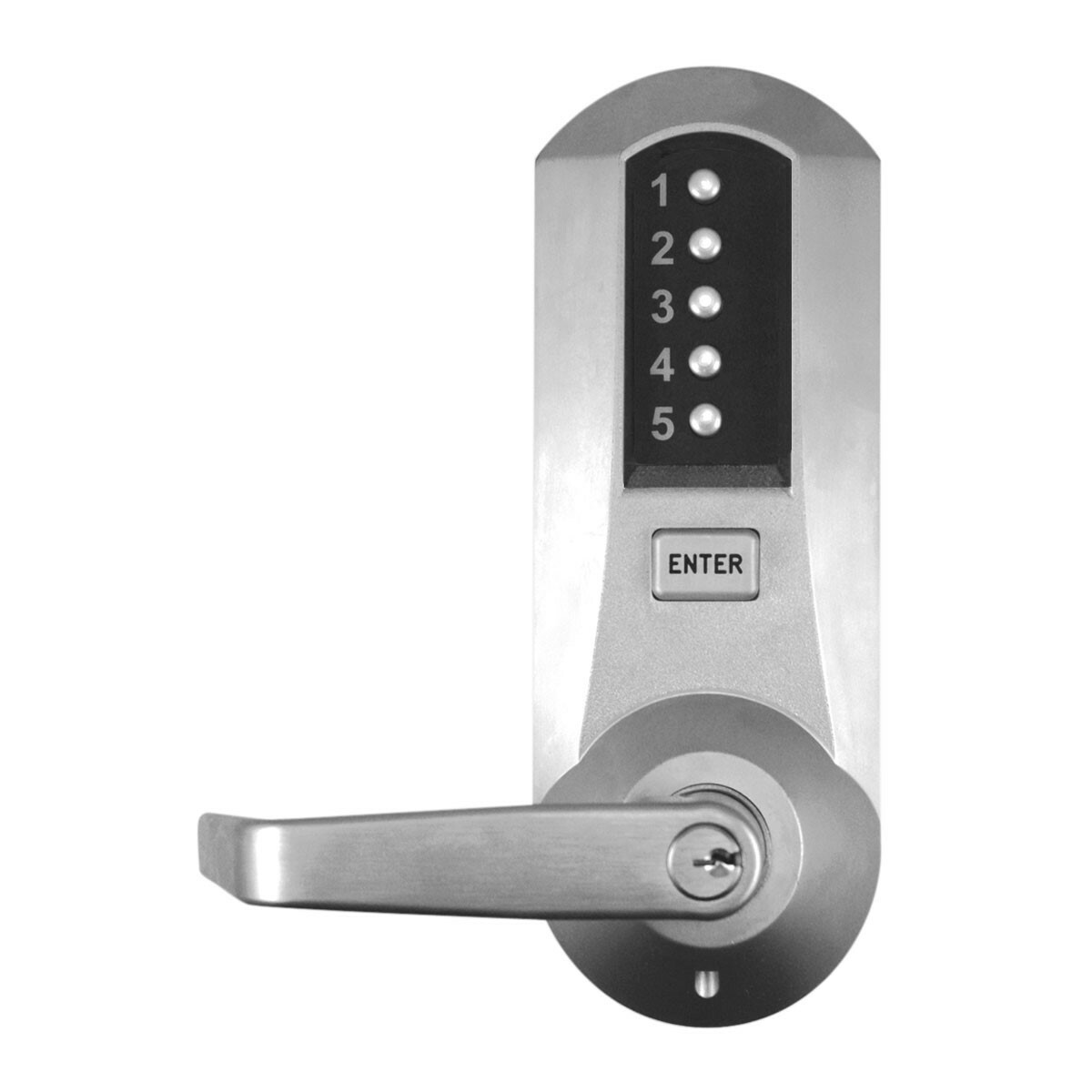
| 5000 (5021, 5031, 5041, 5051) | Lever or knob | Cylindrical | Key override cores or Kaba 90 and Schlage C keyways |
| 5066 to 5068 | Mortise lever | Mortise door prep | For doors with a mortise lock pocket |
| 5010 and L-P series | Exit device trim | Panic device doors | Adds a code to a pushbutton exit trim |
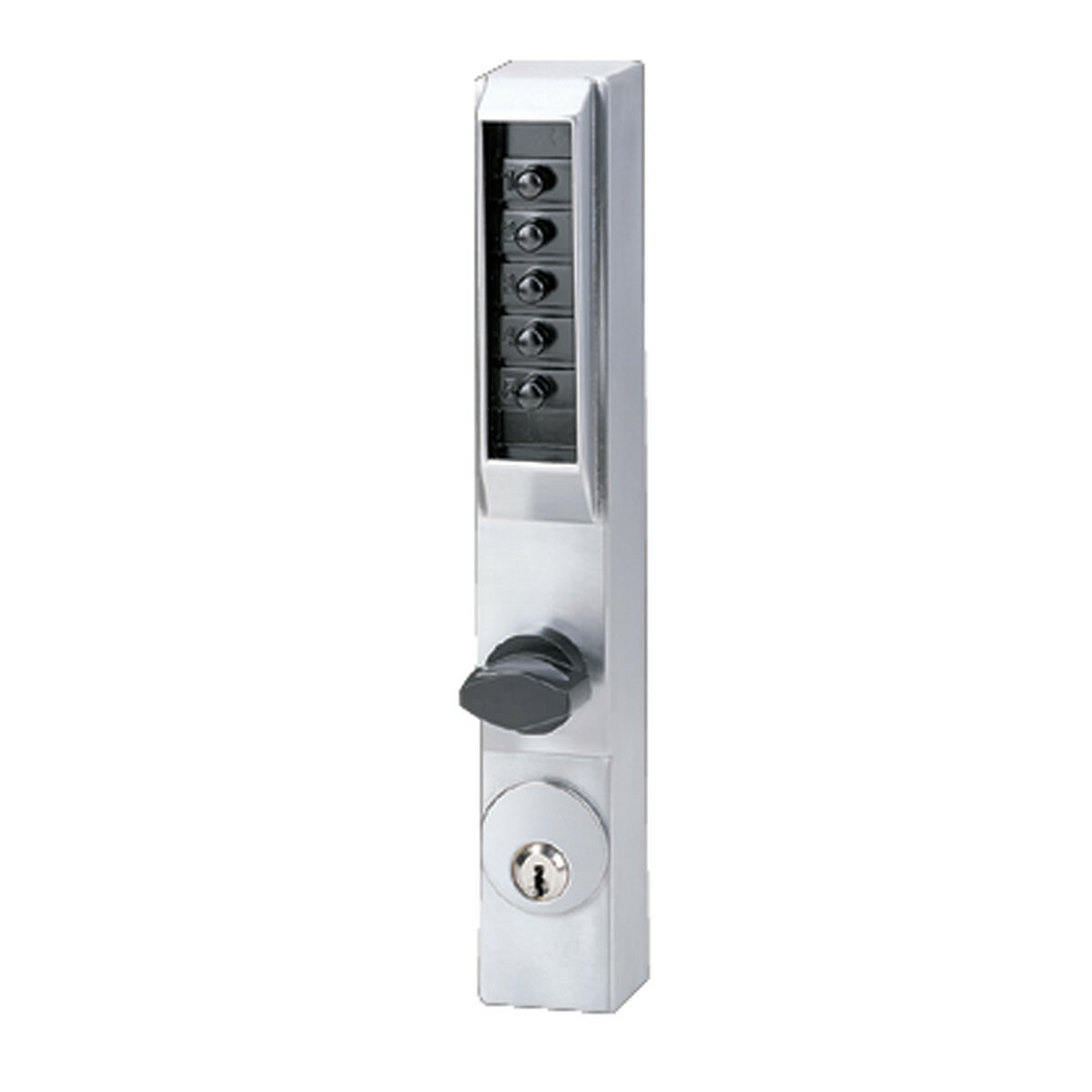
| 3000 | Narrow stile | Aluminum storefront | Thumbturn versions and drive assemblies |
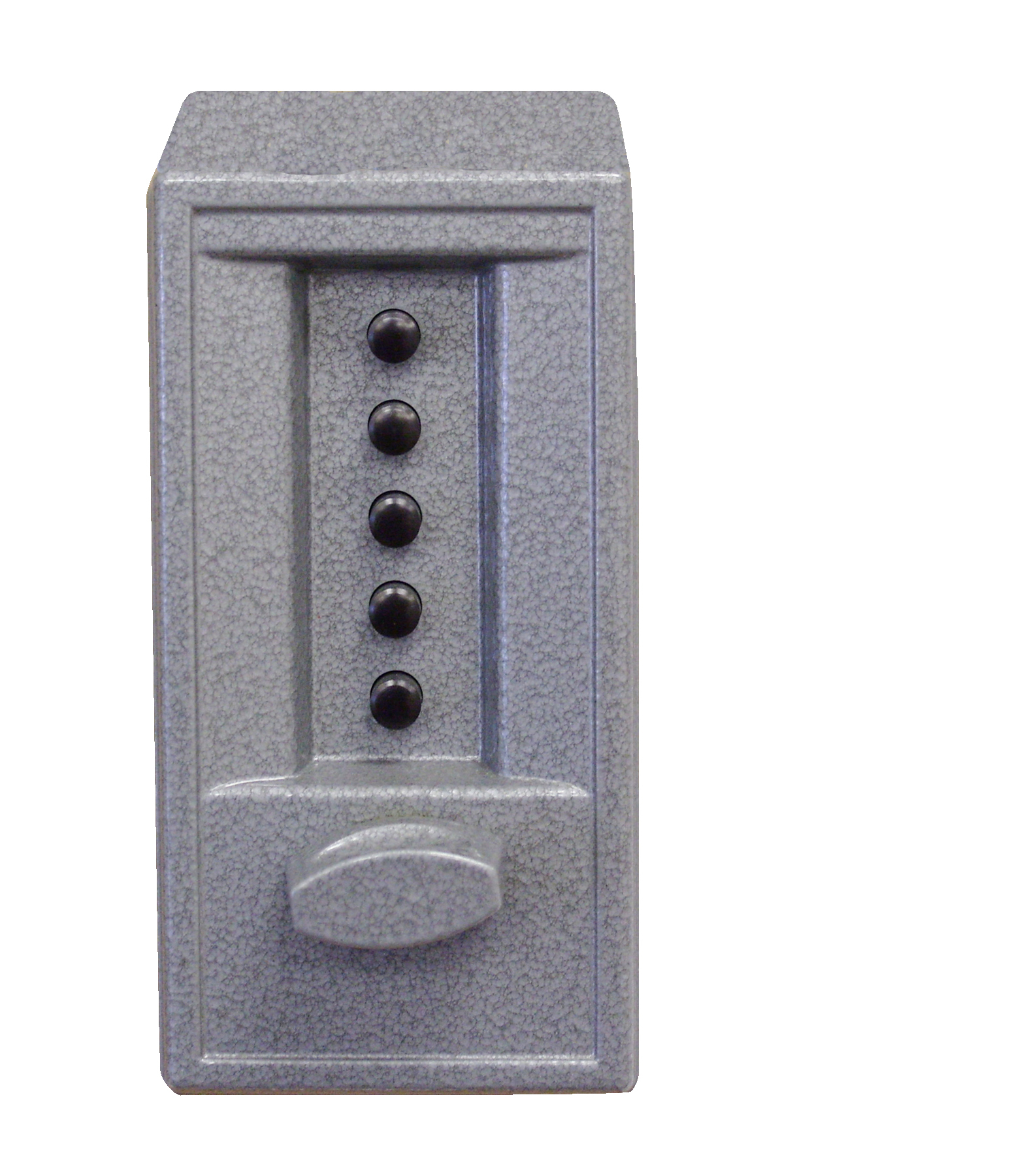
| 6200 | Pushbutton lock | 2-3/8 or 2-3/4 backset | Cylindrical prep |
| L8146 and L8148 | Mortise combination lock | Mortise pocket | Accepts SFIC or LFIC cores |
Our Kaba Simplex guide explains the series, and Alarm Lock DL2700 vs Schlage FE595 vs Kaba Simplex compares them with electronic options.
Functions: entry only, key override and passage
The model number tells you how the lock behaves. In the 1000 series, the 1011 is the combination entry only lock. Models with key override (such as the 1021S) add a keyed cylinder so a locksmith or master key can open the door without the code. Models with passage (such as the 1031) let you hold the door unlatched during business hours. The 1041 combines both.
Key override cores and keyways
Key override locks accept a core from the system already in your building. The catalog lists versions for BEST SFIC, Corbin Russwin LFIC, Medeco LFIC, Sargent LFIC and Schlage cores, plus Kaba 90 and Schlage C keyway cylinders on the 5000 series. Match the core format to your master key system, because small format and large format cores do not interchange. Our SFIC vs LFIC guide shows how to identify yours.
Door prep, handing and ADA
Most knob and lever models fit a standard 2-1/8 inch face bore and 1 inch edge bore, with 2-3/8 or 2-3/4 inch backsets. Handing matters on the L-series lever locks, which are sold as LL for left-hand doors and LR for right-hand doors. See door handing made simple if you are unsure.
For ADA, ADA 2010 Standards 404.2.7 call for hardware that works without tight grasping or twisting the wrist, so choose lever versions on public routes and keep knobs for back-of-house doors.
Most requested pushbutton locks
The pushbutton locks our customers look up most often right now:
- Kaba Simplex 1012 Mechanical Pushbutton Knob Lock, Combination Entry Only, 2-3/8" Backset
- Kaba Simplex LL1011 Pushbutton Lock, LH & LHR Doors
- Kaba Simplex 1011 Mechanical Pushbutton Knob Lock, Combination Entry Only
- Kaba Simplex LR1021S Pushbutton Lock, W/ Key Override, Accepts Schlage LFIC, RH & RHR Doors
- Kaba Simplex LR8146B Mortise Combination Lock, Accepts Best SFIC
- Kaba Simplex 5021XSWL Pushbutton Lever Lock, Schlage C Keyway
Related categories: interchangeable cores and cylindrical lever locks.
What to have ready when ordering a cipher lock
- Trim: knob, lever, mortise lever, exit trim or narrow stile.
- Handing (LH, LHR, RH, RHR) and door thickness.
- Backset: 2-3/8 or 2-3/4 inch for cylindrical models.
- Function: entry only, key override, passage, or both.
- Core or keyway for key override.
- Finish code and the code length you want programmed.
Outfitting a facility? Request a quote. Schools and agencies can submit a government PO. Orders placed before 3:00 p.m. ET on business days ship the same day after card approval. Call 718-814-6300.
The tables and selection notes on this page are compiled by National Lock Supply from manufacturer catalogs, templates and product listings. Last reviewed: October 2026.
Frequently Asked Questions
What is the difference between a cipher lock and a cypher lock?
None. Cipher is the standard spelling and cypher is a common variant, and shoppers use both for keypad or pushbutton locks. The product is the same: a lock that opens with a coded sequence. Our catalog uses mechanical pushbutton lock, so search for that or the Kaba Simplex model number.
Do pushbutton locks need batteries?
No. Mechanical pushbutton locks run without batteries, wiring or electronics, which makes them low maintenance for service doors and storerooms. Electronic keypad locks need batteries or a low-voltage supply. If you want multiple user codes or an audit trail, choose an electronic lock from the keypad and prox category.
Can I use my existing key system with a pushbutton lock?
Yes, if you buy a key override model. The catalog lists versions that accept BEST SFIC, Corbin Russwin LFIC, Medeco LFIC, Sargent LFIC and Schlage cores, and 5000 series models with Kaba 90 or Schlage C keyways. Match the core format to your system so the override works with your master key.
What backset do Simplex pushbutton locks use?
Cylindrical Simplex models are listed in 2-3/8 inch and 2-3/4 inch backsets, for example the 1012 and 1032 in 2-3/8 inch and the 6204 in 2-3/4 inch. Measure from the door edge to the center of the bore before ordering, and confirm the model title for the backset.
Are pushbutton locks good for commercial doors?
Yes, for the right doors. They suit utility rooms, storerooms, gyms and back-of-house doors where a group shares one code and the owner does not need a log of entries. For individual accountability, many users or audit trails, an electronic or networked lock is a better match.
How do I change the code on a mechanical pushbutton lock?
The recoding procedure depends on the series, so follow the manufacturer's instruction sheet for your exact model before you start. Whatever the model, plan to change the code whenever someone leaves the group that shares it, and keep a short record of who currently knows it.
Can I get a pushbutton lock for an exit device or narrow stile door?
Yes. The catalog includes Simplex 5010 pushbutton exit device trims for panic devices and 3000 series narrow stile locks for aluminum storefront doors. Check stile width, handing and the exit device model before you order. Request a quote if you need several doors.