 SAME DAY & EXPEDITED SHIPPING AVAILABLE






Maglocks
Electromagnetic locks are surface-mounted maglocks that hold a door shut with a magnet and release when power is cut, for access control on commercial doors. Compare holding force, door status monitoring and delayed egress across RCI, BEA, SDC, DynaLock, Alarm Controls and Locknetics, such as the RCI 8310, Locknetics MG1200 and SDC ExitCheck.
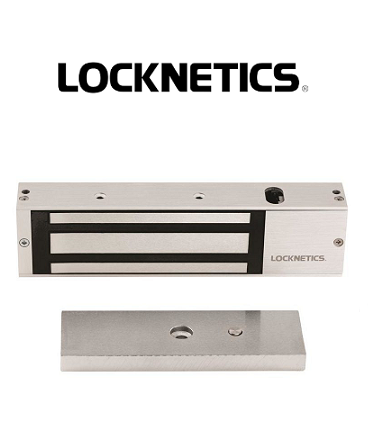
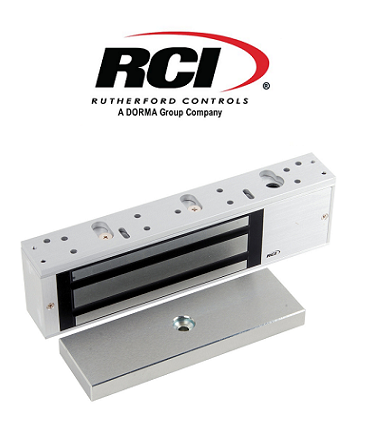
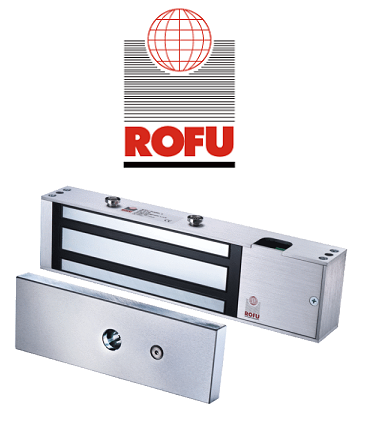
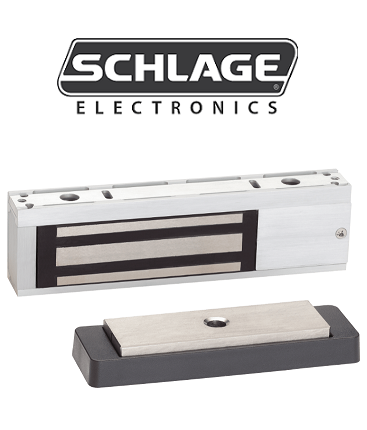
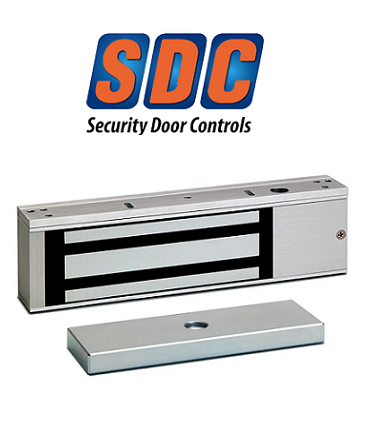
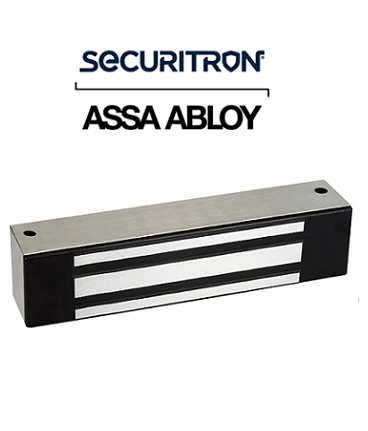
Electromagnetic locks: what to buy and when
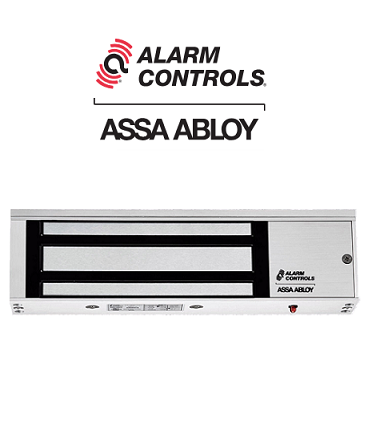
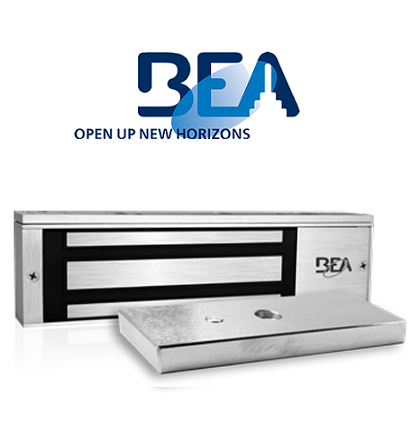
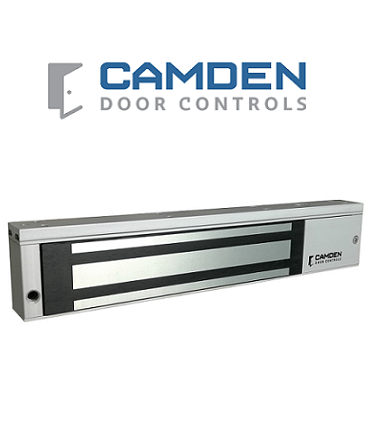
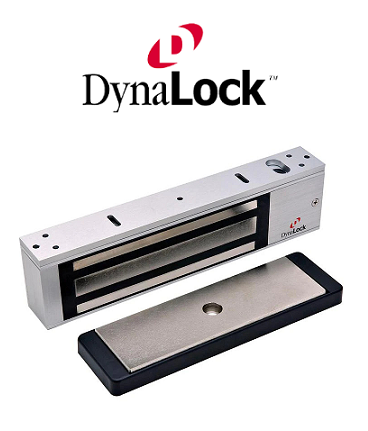
An electromagnetic lock, or maglock, is a surface-mounted magnet on the door frame that holds an armature plate on the door, so the door stays locked while power is on and releases when power is cut. This page is a buying guide for that surface-mounted lock: holding force, monitoring, delayed egress and series. For lock types, how they work and code basics, see the magnetic locks hub.
How much holding force do you need?
Pick 600 lb for interior doors, 1,200 lb for exterior or higher-risk doors, and move to 1,500 lb only for heavy or high-abuse openings. The number is a static pull force, not a speed or attack rating, so mounting, bracket fit and door rigidity matter as much as the label.
The catalog includes 300 lb locks for cabinets and small enclosures (such as the Alarm Controls 320S), 600 and 750 lb locks for standard interior doors, 1,200 lb models for most exterior doors, and 1,500 lb models such as the DynaLock 3000 for demanding doors. Shear locks and concealed models in the catalog list higher ratings, up to 3,000 lb.
Electromagnetic lock series compared
| Brand and series | Holding force | Notes |
|---|---|---|
| Alarm Controls 600S, 600D, 1200S, 1200D | 600 or 1,200 lb | Single and double; LB models add LED, bond and door status sensors |
| Locknetics MG600, MG1200 | 600 or 1,200 lb | 12/24 VDC; DT models are monitored with an SPDT switch |
| BEA 10MAGLOCK | 600 or 1,200 lb | UL listed; DS models add a door status sensor |
| RCI 8310, 8320, 8371, 8372 | 750 or 1,200 lb | DSS and SCS sensor options; single and double outswing |
| SDC 1571V, 1511, E1200 | 650 to 1,650 lb | ExitCheck delayed egress versions, Excel value series |
| DynaLock 2011, 2022, 3000 | 1,500 lb on the 3000 | Inswing top jamb and double door versions |
| ROFU 8512 | 1,200 lb | Single magnet, delayed egress version |
| Schlage Electronics M490, M422 | 1,500 and 500 lb | M490 single, M422 double |
Securitron maglocks are also in the catalog. Our how to choose a magnetic lock guide covers sizing in more detail.
Single, double and swing direction
Use a single maglock for one leaf and a double (or two singles) for a pair. Outswing models mount on the header of an outswinging door, while inswing doors need a top jamb or Z-bracket arrangement, such as the DynaLock 2011TJ20 inswing kit. For glass doors, check for dedicated glass door brackets, and for sliding doors choose the slide-mounted models.
Monitoring: bond sensors, door status and security sensors
Monitoring tells the access control system whether the door is closed and the magnet is holding. Alarm Controls and RCI models with LB or SCS options report bond strength or lock condition, and models with DS or DSS report that the door is closed.
If your design needs the system to know a door is locked and secure, specify monitored models upfront, because most sensors are factory options and cannot be added later.
Delayed egress maglocks
A delayed egress maglock holds the door for a short countdown after someone pushes the bar, while an alarm sounds, then releases it. The catalog lists delayed egress models from RCI (DE8310), ROFU (8512 DE), SDC ExitCheck (1511) and DynaLock (3101C G2). The SDC 1511TNAKV lists a selectable egress delay for NFPA 101.
NFPA 101 limits delayed egress to certain occupancies and typically sets a 15 second delay, with up to 30 seconds where the authority having jurisdiction approves, so confirm approval first. See our guide to delayed egress in senior living and behavioral health for planning.
Power supplies and activation devices
Maglocks run on 12 or 24 VDC from a power supply, and most are fail safe, meaning the door unlocks on power loss. The power supply must be sized to the lock current, and fire alarm release is wired in series. Read fail safe vs fail secure and how to choose an access control power supply.
Activation devices are the readers, keypads, push buttons and request-to-exit sensors that cut power to the lock. See how to choose a request-to-exit device.
Related categories: electronic door hardware and electric strikes.
What to have ready when ordering a maglock
- Single or double door, and the swing direction (outswing or inswing).
- Holding force: 300, 600, 750, 1,200 or 1,500 lb.
- Voltage: 12 VDC, 24 VDC or both.
- Sensors: LED, bond sensor, door status or security condition.
- Delayed egress and the code approval you have.
- Frame type: aluminum, hollow metal, wood or glass, and the bracket kit.
- Door width for double doors and the finish.
Project quantities? Request a quote. Schools and agencies can submit a government PO. Orders placed before 3:00 p.m. ET on business days ship the same day after card approval. Call 718-814-6300.
The tables and selection notes on this page are compiled by National Lock Supply from manufacturer catalogs, templates and product listings. Last reviewed: October 2026.
Frequently Asked Questions
What is an electromagnetic lock?
An electromagnetic lock is a magnet mounted on the door frame that holds a steel armature plate on the door. It locks while powered and releases when power is cut, so it is fail safe. Surface-mounted electromagnetic locks are widely used with access control, keypads and request-to-exit devices on commercial doors.
What is the difference between an electromagnetic lock and a magnetic lock?
They are the same device. Electromagnetic lock is the formal term and maglock is the short form, with magnetic door lock and mag lock used in search. Our catalog lists them as electromagnetic locks. Pick by holding force, single or double, mounting and monitoring options.
Are electromagnetic locks fail safe?
Yes, most are. They unlock when power is lost, which gives free egress but means the door is unsecured during an outage unless backup power is added. Fail secure options exist in electric strikes and other electrified hardware. Check the product title and spec sheet for the listed behavior.
What power supply does an electromagnetic lock need?
Most run on 12 or 24 VDC, and the power supply must be sized for the lock current. Models such as the Locknetics MG600 and MG1200 are listed for 12 to 24 VDC. Add battery backup when security during outages matters, and wire fire alarm release into the circuit.
What are electromagnetic lock activation devices?
They are the devices that control power to the lock: card readers, keypads, push buttons and request-to-exit sensors. They release the magnet on a valid credential or when someone leaves. Choose the activation device with the access control system and confirm that the egress path always releases the door.
What does a door status sensor or bond sensor do?
A door status sensor tells the system if the door is open or closed, and a bond sensor reports whether the magnet and armature are holding. Models with DS, DSS, SCS or LB options provide them. They are usually factory options, so choose them when ordering.
Can electromagnetic locks be used for delayed egress?
Yes, where code allows. Delayed egress maglocks hold the door for a short countdown after the bar is pushed and sound an alarm. The catalog has RCI, ROFU, SDC ExitCheck and DynaLock models. NFPA 101 limits the delay and the occupancies, so confirm approval with your authority having jurisdiction.
Which electromagnetic lock brands do you carry?
The catalog includes Securitron, RCI, SDC, Schlage Electronics, DynaLock, Alarm Controls, BEA, Locknetics, ROFU and Camden. They cover single and double outswing doors, inswing top jamb kits, sliding doors, gates, shear locks and delayed egress models. Request a quote if you need a mixed order.