 SAME DAY & EXPEDITED SHIPPING AVAILABLE






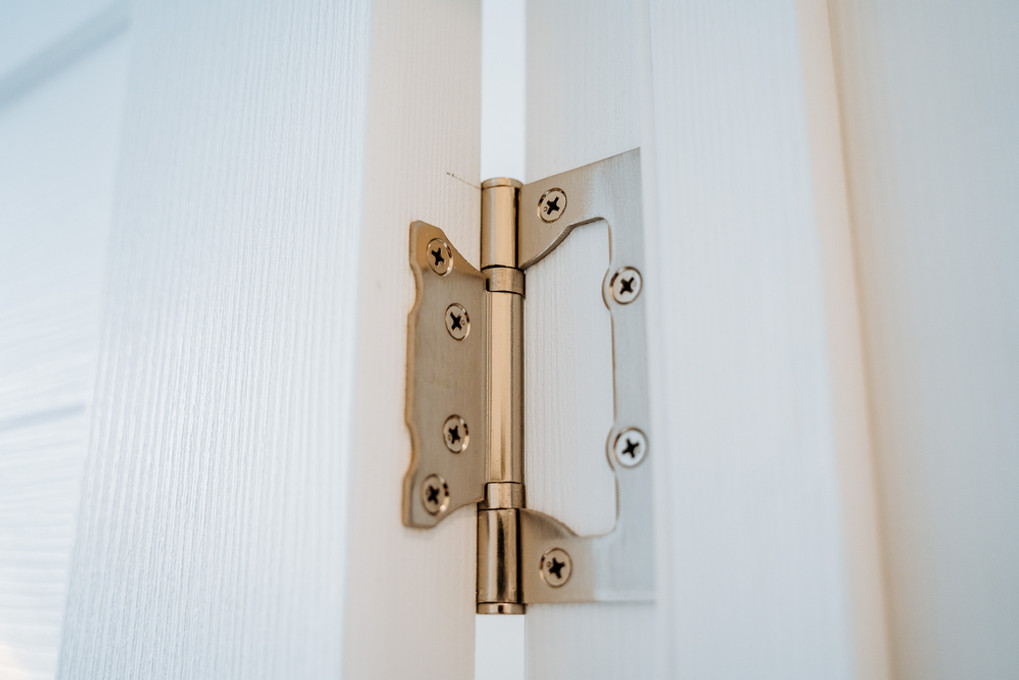
Mortise vs. Non-Mortise Hinges: Types and How to Choose
Posted by National Lock Supply on Nov 15th 2022
A mortise hinge sits in a pocket (mortise) routed or prepped into the door edge and/or the frame, so the leaves end up flush with the surface. A non-mortise hinge, also called a surface-mount hinge, bolts or screws onto the face of the door and frame with no pocket. Commercial openings on prepped hollow metal use mortise hinges. Surface hinges fit doors and frames that are not prepped for them.
What Is a Mortise Hinge?
A mortise hinge is a butt hinge whose leaf is recessed into a pocket so it finishes flush with the door edge and the frame rabbet. On commercial steel doors and frames the pockets are prepped at the factory to the standard template dimensions, which is why commercial door hinges are specified by height, width, thickness and corner radius. When the door is closed, only the knuckles show, so the opening looks clean.
Typical examples are full mortise standard weight ball bearing hinges such as the Cal-Royal BB31, and full mortise spring hinges for self-closing doors.
What Is a Non-Mortise Hinge?
A non-mortise hinge (also called no-mortise, surface-mount or surface-applied) does not need a pocket. The leaf is applied to the face of the door, the face of the frame, or both. Two mortise-free configurations exist in the ANSI/BHMA hinge terminology, full surface and half surface, and each is paired with a specific door and frame construction. Continuous (piano) hinges are also applied without individual pockets, but they are a separate product family from butt hinges.
Mortise vs. Non-Mortise Hinge: Comparison
| Hinge type | Door side | Frame side | Typical use |
|---|---|---|---|
| Full mortise | Mortised into door edge | Mortised into frame rabbet | Prepped steel doors and steel frames; the standard commercial hinge |
| Half mortise | Mortised into door edge | Applied to frame face | Steel doors in channel iron or similar surface-applied frames |
| Half surface | Applied to door face | Mortised into frame rabbet | Metal covered doors in steel frames |
| Full surface | Applied to door face | Applied to frame face | Metal covered doors in channel iron frames |
Which side is mortised or surface-applied follows the ANSI/BHMA definitions of the four basic hinge types (full mortise, half mortise, full surface, half surface).
Do You Have to Mortise Door Hinges?
No, but only if the hinge you buy is designed for a surface application. A mortise hinge installed without a pocket leaves the leaves sitting proud, the door will not close against the stop and the gap at the hinge edge opens up. If the door and frame are already prepped for mortise hinges, buy the matching full mortise hinge. If they are not prepped and you do not want to cut pockets, choose a half or full surface hinge made for that configuration.
How Do You Install a Non-Mortise Hinge?
- Support the door at the correct height with shims or a door jack and confirm the hinge locations from the frame.
- Hold the hinge in position and mark the screw holes on the door face, the frame, or both, depending on whether it is a half or full surface hinge.
- Drill pilot holes (or use the prepped holes on a metal door) and fasten with the screws or machine screws recommended for the door material.
- Check for equal gaps at the head and latch side, close the door against the stop, and tighten all fasteners.
For exact hole patterns and fastener sizes, follow the installation sheet for the specific hinge model.
Which Hinge Type Should You Choose?
- Choose mortise when the door and frame are prepped for it. This is the default on commercial hollow metal and most wood commercial doors, and it is what code-labeled assemblies are built around.
- Choose non-mortise (surface) for retrofits where cutting pockets is not practical, or for door and frame constructions that call for half or full surface hinges.
- Match the weight and bearing type to door size and traffic. Standard weight suits lighter doors with moderate use; heavy weight and ball bearing hinges suit busy openings. Browse commercial ball bearing hinges for those applications.
- Fire-rated openings need hinges that are listed for use on the rated assembly, so confirm the label before swapping to a different hinge type.
Where Spring Hinges Fit
Self-closing spring hinges are made in full mortise patterns, so they follow the mortise rules above. For setting the closing force, see our guide on how to adjust spring loaded hinges, and for swapping a worn one, how to remove spring loaded hinges.
FAQ
What does non-mortise mean on a hinge?
It means the hinge is applied to the surface of the door and frame instead of being recessed into a pocket. No routing or pocket prep is needed.
Are non-mortise hinges weaker than mortise hinges?
Strength depends on the hinge weight, material and fasteners, not only on the mortise. A heavy weight surface hinge on a suitable door can carry more than a light mortise hinge. Select by door weight and use.
Can I replace a mortise hinge with a surface hinge?
Not directly. The existing pocket would leave a gap behind the new leaf. Use a replacement with the same template size, or prep the door and frame for the new hinge type.
What are the four hinge types?
Full mortise, half mortise, full surface and half surface, as defined in the ANSI/BHMA hinge standards.
Which hinge is standard on commercial steel doors?
Full mortise butt hinges, in the size, weight and corner radius that match the frame and door prep.
Official sources: McKinney Hinge 101 and the Best Access general hinge brochure.
Next Step
Shop door hinges by size, weight and finish. Orders placed before 3:00 p.m. ET ship the same business day, and free ground shipping applies on orders of $450 and up. For quantity pricing, request a quote or call 718-814-6300.