 SAME DAY & EXPEDITED SHIPPING AVAILABLE






Exit Hardware
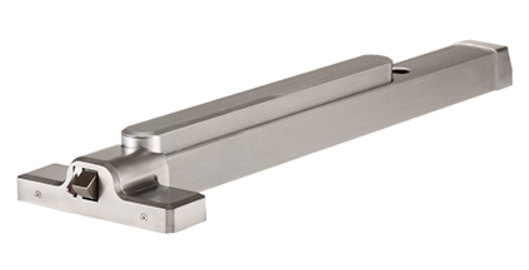
Exit hardware lets people leave a building quickly by pushing a bar or pad, while keeping the door secure from the outside. Shop panic exit devices from Von Duprin, Sargent, Falcon, Corbin Russwin, Accentra (Yale), Dorma, PHI and more, exit device trims, exit door alarms, exit device power supplies and exit device kits.


What is exit hardware?
Exit hardware is the set of products on a door that is used as a way out: the exit device (panic bar or touchpad) on the inside, an optional trim on the outside, and accessories such as alarms, electric latch retraction and power supplies. The exit device releases the latch when it is pushed, so no key, knowledge or effort is needed to exit, which is the principle of NFPA 101 for means of egress. The outside trim decides whether people can enter and how.
Exit hardware categories
| Category | What it includes | Products |
|---|---|---|
| Panic exit devices | Rim, vertical rod and mortise exit devices, by brand | 1,517 |
| Exit device trims | Outside levers, pulls, knobs and blank plates for exit devices | 478 |
| Exit device kits | Field kits such as dogging, alarms, electric options and parts | 186 |
| Exit alarms | Exit door alarms, door prop alarms, alarmed exit control locks | 62 |
| Exit device power supplies | Supplies for electric latch retraction and electrified devices | 57 |
Panic hardware and fire exit hardware: the difference
Panic hardware is an exit device that releases the latch when pressure is applied in the direction of exit, and it is required on many doors in assembly and educational occupancies. Fire exit hardware is panic hardware that is also listed for use on labeled fire doors. Fire exit hardware cannot be mechanically dogged open, because a fire door must latch every time it closes. Brands mark fire rated devices in the model, for example an F prefix on Dorma (F9300) and Falcon (F-25-C) devices.
Device types: rim, vertical rod and mortise
Choose the device type from the door and frame. Rim devices latch into a strike on the frame and suit single doors and pairs with a mullion. Surface vertical rod devices latch at the top and bottom of the door and suit pairs without a mullion. Concealed vertical rod devices hide the rods inside the door, which is common on aluminum and glass entrances. Mortise devices work with a lock body in the door. Our exit device types guide compares them in detail.
Outside trims and functions
An exit device on its own is exit only. Adding an outside trim gives a function: passage (always free), entry or night latch (key controls the trim), storeroom or classroom variations, and dummy trim for pull-only doors. Trims must match the device series and the door, so order them together. See exit device trims.
Electrified exit hardware
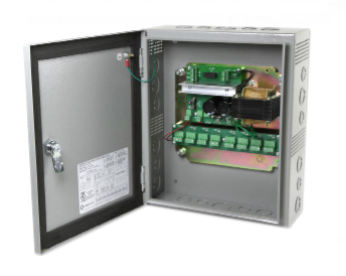
Exit devices can be electrified so an access control system or automatic operator can unlatch the door. The main options are electric latch retraction (motorized or solenoid), electrified trims that lock or unlock the outside lever, and monitoring switches. Latch retraction needs a power supply rated for its inrush current, such as the units in exit device power supplies and access control power supplies. Our latch retraction vs electrified trim guide explains the choice.
Exit alarms and delayed egress
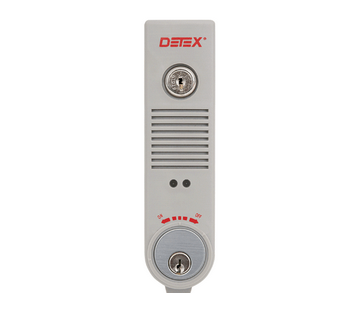
Where an exit is not for everyday use, an exit alarm warns staff when the door is opened, without locking people in. Some locations use delayed egress devices, which are only allowed where the code and the authority having jurisdiction permit them. See exit door alarms for battery and hardwired options.
Most requested exit hardware
The exit hardware our customers look up most often right now:
- Kawneer KW133624 48" 1686 Concealed Exit Device
- Sargent AD8410 Narrow Stile Concealed Vertical Rod Exit Device
- PHI Precision RPSMLR2BB Power Supply, MLR Kit
Related categories: commercial door closers, electric strikes and mechanical locks.
What to have ready when ordering exit hardware
- Door type (wood, hollow metal, aluminum), stile width and fire label.
- Single door or pair, with or without mullion.
- Device type and size, and the outside trim function.
- Dogging (hex or cylinder), electric options and power.
- Finish, such as 626, 630 or 689.
Equipping a building? Request a quote for project pricing, and schools and agencies can submit a government or school PO. Orders placed before 3:00 p.m. ET on business days ship the same day after card approval, and ground shipping is free on orders of $450+. Call 718-814-6300 with your door schedule.
The tables and selection notes on this page are compiled by National Lock Supply from manufacturer catalogs and product listings. Last reviewed: November 2026.
Frequently Asked Questions
Do emergency exit doors need special hardware?
Many do. Codes such as NFPA 101 and the building code require exits to open from inside without a key or special knowledge, and many occupancies require panic hardware on exit doors. The exact requirement depends on the occupancy and the door, so confirm with your code official.
What is an exit device kit?
Exit device kits are field-installed add-ons and parts for existing devices, such as cylinder dogging kits, alarm kits, request to exit switches, electric latch retraction kits and replacement parts. They upgrade or repair a device without replacing it.
Can an exit device replace a lockset on an existing door?
Yes, in many cases. A rim exit device mounts on the door face and latches into a strike on the frame, so it can replace a lockset once the old holes are covered, for example with a filler plate or the device's trim. Mortise and concealed rod devices need the door prepared for them. Check door width, stile and fire label first.