 SAME DAY & EXPEDITED SHIPPING AVAILABLE






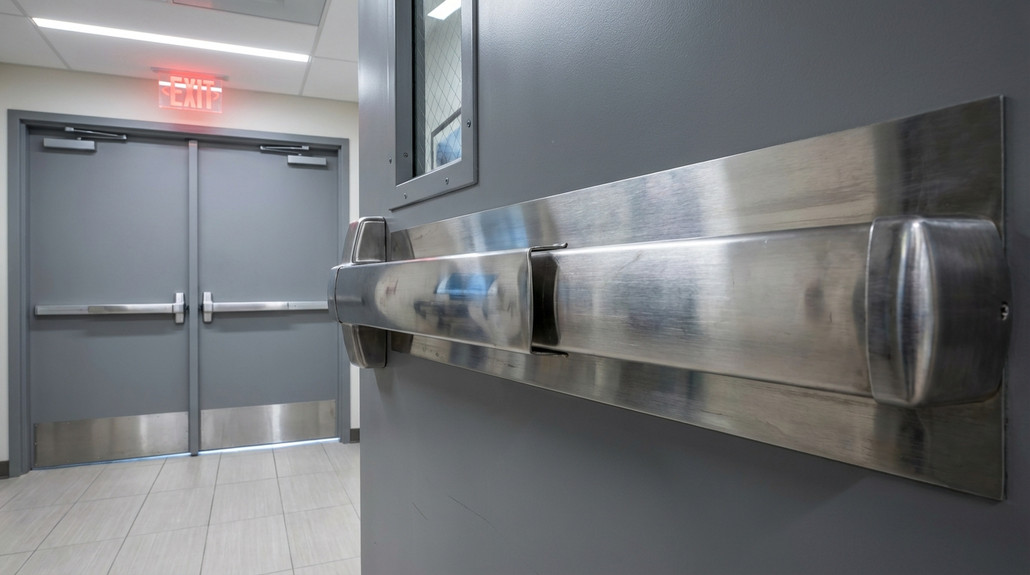
Commercial Push Bar Door Locks for Emergency Exits : Guide
Posted by National Lock Supply on Jan 19th 2026
Commercial push bar door locks, commonly known as panic hardware or exit devices, are essential life-safety components in commercial and institutional buildings. These devices are designed to allow occupants to exit quickly and safely during an emergency by simply pushing on a horizontal bar, without the need for keys, tools, or special knowledge. When improperly specified or installed, however, push bar door locks can lead to code violations, failed inspections, and serious safety risks.
As with all life-safety hardware, selecting the right push bar door lock begins with choosing a reputable supplier with proven commercial expertise and responsive customer support, such as National Lock Supply. An experienced supplier helps ensure the correct exit device type, trim function, and fire-rating are specified from the start, eliminating costly corrections and ensuring long-term compliance.
What Are Commercial Push Bar Door Locks?
Commercial push bar door locks are mechanical exit devices installed on doors required to provide immediate and unobstructed egress. When pressure is applied to the push bar or touchpad, the device retracts the latch, allowing the door to open instantly.
These devices are required by building codes on many doors serving as exits, particularly in:
- Schools and universities
- Healthcare facilities
- Retail and assembly occupancies
- Office and industrial buildings
Push bar door locks are most commonly sourced from dedicated commercial exit hardware systems, which are engineered to meet ANSI/BHMA, NFPA 101, and IBC requirements.
Why Push Bar Door Locks Are Required for Emergency Exits
In emergencies, occupants may be under stress, visibility may be limited, and crowd pressure may be high. Push bar door locks are designed specifically for these conditions.
They are required because they:
- Allow doors to open with minimal force
- Eliminate the need for fine motor skills
- Prevent delayed egress during panic situations
- Support crowd movement toward exits
Building codes mandate push bar hardware in many occupancy types to ensure doors can always be opened safely from the egress side.
Common Types of Commercial Push Bar Exit Devices
Commercial push bar door locks are available in several configurations, each suited to different door constructions and applications. Selecting the correct type is essential for proper operation and code compliance.
Before specifying an exit device, it's important to understand the most common types used in commercial buildings:
- Rim exit devices, surface-mounted and widely used on single doors
- Mortise exit devices, integrated into mortise lock bodies for added security
- Vertical rod exit devices are commonly used on pairs of doors
- Concealed vertical rod devices, selected for architectural or aesthetic reasons
These devices are typically chosen from a complete range of panic exit devices, ensuring compatibility with trims, strikes, and door types.
Push Bar Door Locks and Fire-Rated Doors
When push bar door locks are installed on fire-rated doors, they must meet additional requirements. Fire exit hardware must allow egress while ensuring the door closes and latches properly during a fire.
Fire-rated exit devices must:
- Be listed for use on fire door assemblies
- Maintain positive latching
- Avoid mechanical dogging (unless fire-rated electric dogging is used)
In these applications, push bar door locks are commonly coordinated with commercial door closers to ensure doors self-close and latch in accordance with fire and life-safety codes.
Exterior Access and Exit Device Trim Functions
While push bar hardware controls egress from the inside, exterior access is managed by the exit device trim. Trim selection determines whether the door allows free entry, keyed entry, or no entry at all.
Common trim functions include:
- Dummy trim (no exterior access)
- Keyed entry trim
- Night latch trim (key required at all times)
For keyed trim configurations, compatibility with existing key systems is critical. Many facilities integrate exit device trims with commercial cylinders and key systems, allowing perimeter doors to align with master keying plans.
Push Bar Door Locks and Access Control Integration
Modern commercial buildings often integrate push bar door locks with electronic access control systems. This allows facilities to maintain code-compliant egress while controlling entry electronically.
In these scenarios, exit devices may include:
- Electric latch retraction
- Electrified trim
- Request-to-exit devices
These components are commonly coordinated with electronic door hardware to provide secure, monitored access without interfering with emergency exit requirements.
Materials, Durability, and ANSI/BHMA Ratings
Commercial push bar door locks are subject to extreme use, especially in high-traffic environments. For this reason, they are tested and rated under ANSI/BHMA standards.
When selecting exit devices, specifiers should look for:
- ANSI/BHMA Grade 1 performance for heavy-duty use
- Durable materials such as steel and stainless steel
- Proven cycle testing for long-term reliability
Higher-rated exit devices reduce maintenance costs and minimize downtime caused by hardware failure.
Installation and Inspection Considerations
Even the best push bar door lock can fail inspections if improperly installed. Mounting height, latch alignment, and door preparation must all meet code requirements.
Installers should verify:
- Proper mounting height per code
- Free operation of the push bar
- Correct latch engagement
- Compatibility with door closers and strikes
Correct installation ensures the exit device performs as intended during both daily use and emergencies.
Conclusion: Choosing the Right Push Bar Door Lock for Emergency Exits
Commercial push bar door locks are a cornerstone of life safety in commercial buildings. Proper selection ensures fast, reliable egress while meeting stringent code requirements and supporting overall building security.
By sourcing commercial exit devices, trims, and supporting hardware through a trusted supplier like National Lock Supply, facilities gain access to ANSI/BHMA-rated panic hardware, fire-rated solutions, and expert guidance. For facilities requiring keyed trim integration, National Lock Supply offers a comprehensive selection of commercial cylinders and key blanks compatible with standard and restricted keyways. With the right products and proper installation, push bar door locks provide dependable performance when it matters most, during an emergency.